Buying a used Humvee isn’t like buying a used pickup. Many of these trucks spent years in military service, and some sat in a yard for a long time after they were retired. A clean paint job can hide a rusted frame, a tired drivetrain, or a title that causes headaches at the DMV. That’s why a solid inspection matters before any money changes hands. If you’re searching for a used Humvee for sale, this checklist walks you through what to check on the paperwork, body, engine, suspension and test drive. We’ll also point out the red flags that should make you walk away. Use it at a dealer lot, at a private seller’s place, or while reviewing photos online, and you’ll buy with a lot more confidence.
Verify the Title, VIN and Model First
Before you look at a single bolt, look at the paperwork. Ask to see the title and compare the VIN on it to the VIN plate on the truck. They should match exactly. Be wary of any seller who can’t produce a title or says it’s still in the mail. Surplus military vehicles can come with restricted titles, and the rules for getting one on the road vary by state, so ask whether the Humvee has already been titled and registered for street use. Our guide to registering a street legal Humvee covers what the process usually involves. Next, confirm exactly which variant you’re looking at. Humvees range from basic utility models to armored and specialty versions, and the HMMWV family is bigger than most buyers expect. Finally, ask for service records and any documentation of modifications. A seller who kept good records usually took good care of the truck.
Inspect the Frame and Body for Corrosion
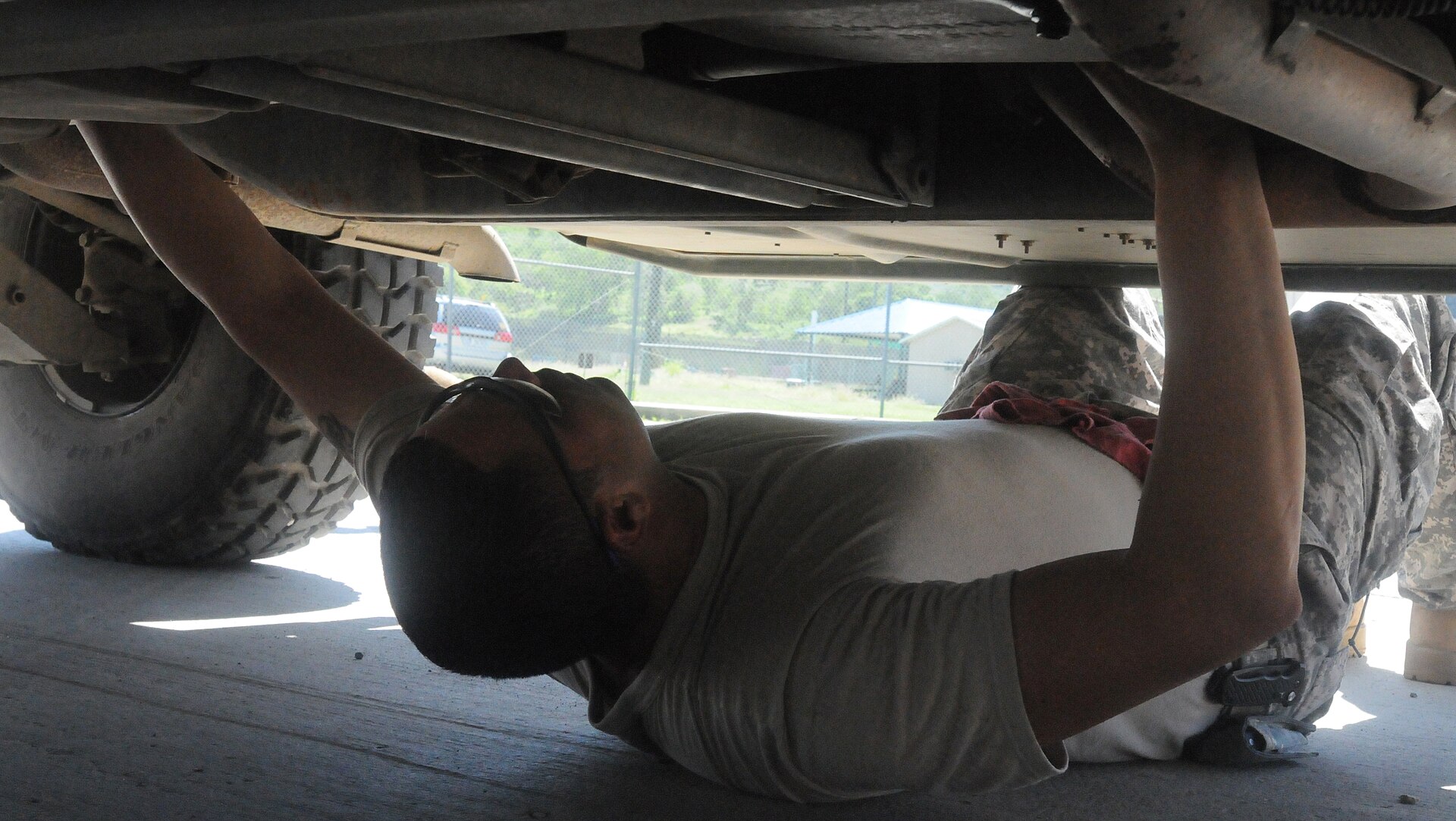
Rust is the quiet killer on used Humvees, so spend real time under the truck. Bring a flashlight and look at the frame rails, crossmembers and suspension mounting points. Surface rust is normal, but flaking, bubbling or soft spots mean you should walk away or negotiate hard. The aluminum body is another area to check. Where aluminum panels meet steel hardware, galvanic corrosion can leave white, powdery buildup and weak spots, especially around door hinges, fasteners and the roof. Check the floors and seams for water damage, and press on the door seals to see if they still compress. Look for signs of past repairs too. Mismatched paint, uneven panel gaps and sloppy welds can point to an accident or a rushed fix. A fresh coat of paint isn’t a red flag by itself, but the seller should be able to explain it. A clean, dry frame is one of the best signs of a well-kept truck.
Check the Engine, Transmission and Drivetrain
Start the engine cold if you can. Many Humvees run a GM-based diesel V8, and a hard start, heavy smoke or a rough idle can point to injector or compression trouble. Watch the exhaust: blue smoke suggests oil burning, white smoke can mean coolant, and thick black smoke often means a fuel or air problem. Once it’s running, check under the truck for leaks around the engine, transmission, transfer case and differentials. Pull the dipsticks and look at the fluid. It shouldn’t be milky, burnt or full of metal flakes. Humvees also use geared hubs at each wheel, which add ground clearance but can leak or whine when worn, so listen closely on the drive. Shifts should be firm, without slipping. If the engine is tired but the rest of the truck is solid, a swap might still be worth it, and our breakdown of diesel vs gas Humvee conversions can help you decide. Just price the work in before you agree on a number.
Test the Suspension, Brakes, Tires and Electrical
Walk around the truck and push down on each corner. It should settle quickly without bouncing. Look for leaking shocks, cracked bushings, worn ball joints and loose steering components. Check the brake lines for corrosion, and look at rotors and pads for uneven wear. Tires matter more than people think because Humvee tires are large and expensive. Uneven wear can point to alignment or suspension problems, and mismatched sizes can stress the drivetrain. If the truck has a central tire inflation system, ask whether it works. Then move to the electrical system. Military Humvees run a 24-volt setup, and previous owners often add 12-volt accessories, aftermarket lights or stereos. Look for messy splices, loose wires and add-ons without fuses. Test every light, gauge, wiper and switch, plus the heater and air conditioning if equipped. Electrical gremlins are rarely cheap to chase, so a neat, well-labeled wiring job is a good sign.
Take a Real Test Drive and Budget for the Total Cost
A short loop around the lot won’t tell you much. Drive for at least 20 minutes on mixed roads, including some bumps and a few firm stops if it’s safe. Watch the temperature gauge, listen for knocks and whines, and note any pulling under braking. Some steering play is normal on a Humvee, but wandering or heavy vibration is not. After the drive, park it, let it idle and check underneath again for fresh leaks. Bring a friend if you can, since a second set of eyes catches things you’ll miss. Then think about the full picture. Even a good used Humvee will need fluids, filters and some deferred maintenance, so review our overview of Humvee ownership costs before you set a budget. Compare your inspection notes with the asking price, and use real findings in your negotiation. If anything feels off, pay for an independent inspection by a mechanic who knows heavy or military vehicles.
Used Humvee Buying FAQs
What should I check first when buying a used Humvee?
Start with the title and VIN. Make sure the VIN on the paperwork matches the plate on the truck, and confirm whether the vehicle is already titled and registered for street use. Once the paperwork checks out, move on to the frame, then the drivetrain.
How much does a used Humvee cost?
Prices vary widely based on the variant, condition, mileage or hours, modifications and whether the truck is already street legal. The best way to get a real number is to compare current listings and ask for a quote on the specific truck you like.
Can I drive a used Humvee on public roads?
Only if it’s titled, registered and equipped to meet your state’s requirements. Rules differ by state, so check with your local DMV before you buy, or choose a truck that’s already set up for street use.
What are the biggest red flags on a used Humvee?
A missing or mismatched title, heavy frame rust, fluid leaks, milky or burnt fluids, messy wiring with unfused add-ons, and a seller who can’t provide any service history. Any one of these is worth slowing down for, and several together are a reason to walk away.
Are used Humvees reliable?
They’re built to be tough, but reliability depends heavily on how the individual truck was maintained and stored. Age, past use and deferred maintenance matter more than the badge, which is why a careful inspection is so important.
Should I get an independent inspection before buying?
Yes, especially for a private-party purchase or a truck you can’t inspect in person. A mechanic with heavy or military vehicle experience can spot problems that are easy to miss.
Ready to start shopping? Browse the Street Legal Exports inventory and talk with our team about any truck before you buy.